Barber quarter (1892–1916) melt value
Every Barber quarter is 90% silver. Here's what the silver inside is worth at today's live price.

Show the math
Related coins
All coins →Common questions
How do I know if my barber quarter is silver?
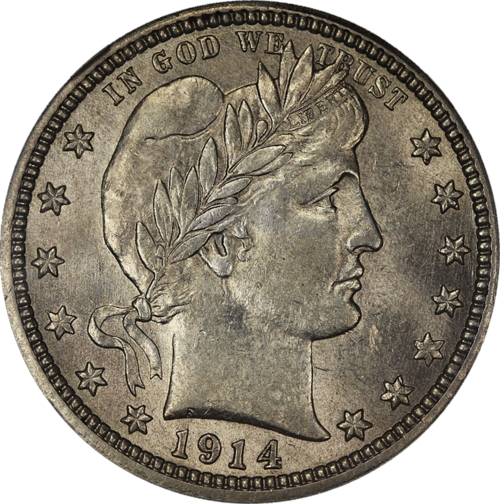
All Barber quarters (1892–1916) are silver. They show Liberty facing right with a cap and laurel wreath, designed by Mint engraver Charles E. Barber, and a heraldic eagle on the back. Worn common dates usually sell for silver value, but a few dates and mint marks are scarce and worth much more to collectors, so check yours before selling for melt.
Why does a dealer pay less than melt value?
Dealers need room to cover refining, shipping and resale costs, so most pay a percentage of melt value for common-date coins.
What is "junk silver"?
Common-date 90% silver coins that are bought and sold for their silver content rather than their collector value.
Is it legal to melt coins?
US rules prohibit melting one-cent and five-cent coins. That rule does not cover dimes, quarters, half dollars, dollars or bullion coins. Most people sell coins whole to a dealer rather than melting them.